Community pharmacy-based outreach · Michigan · Four counties
Social isolation and loneliness profoundly impact older adults yet often go unnoticed. This project equipped community pharmacists to identify SIL and connect patients to support.
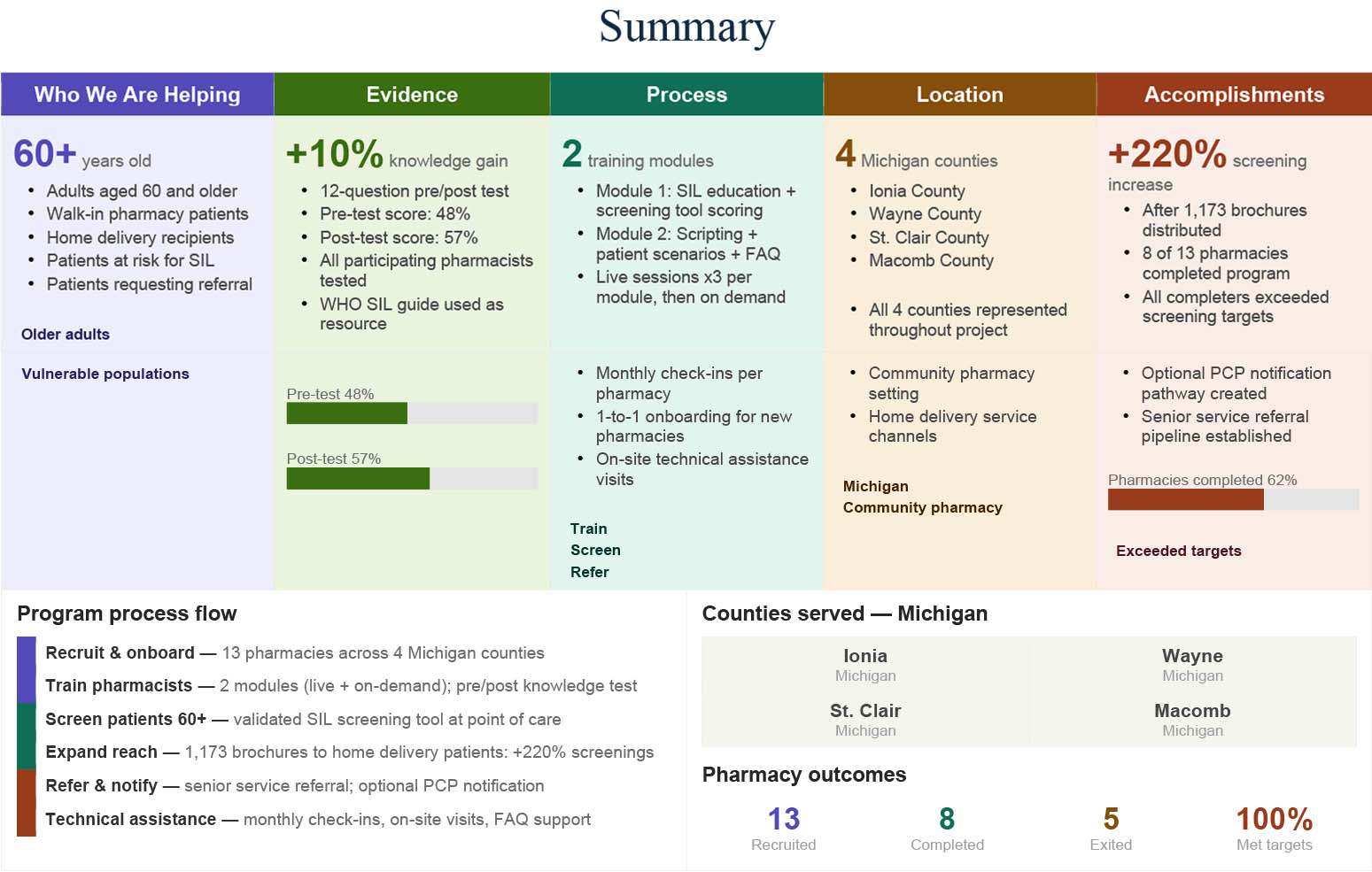
Who We Are Helping
60+ years old
- Adults aged 60 and older
- Vulnerable populations
- Walk-in pharmacy patients
- Home delivery recipients
- Patients at risk for SIL
- Patients requesting referral
Process
2 Training modules
- Train pharmacists
- Module 1: SIL education + screening tool scoring
- Module 2: Scripting + patient scenarios + FAQ
- Live sessions x3 per module, then on demand
- Monthly check-ins per pharmacy
- 1-to-1 onboarding for new pharmacies
- On-site technical assistance visits
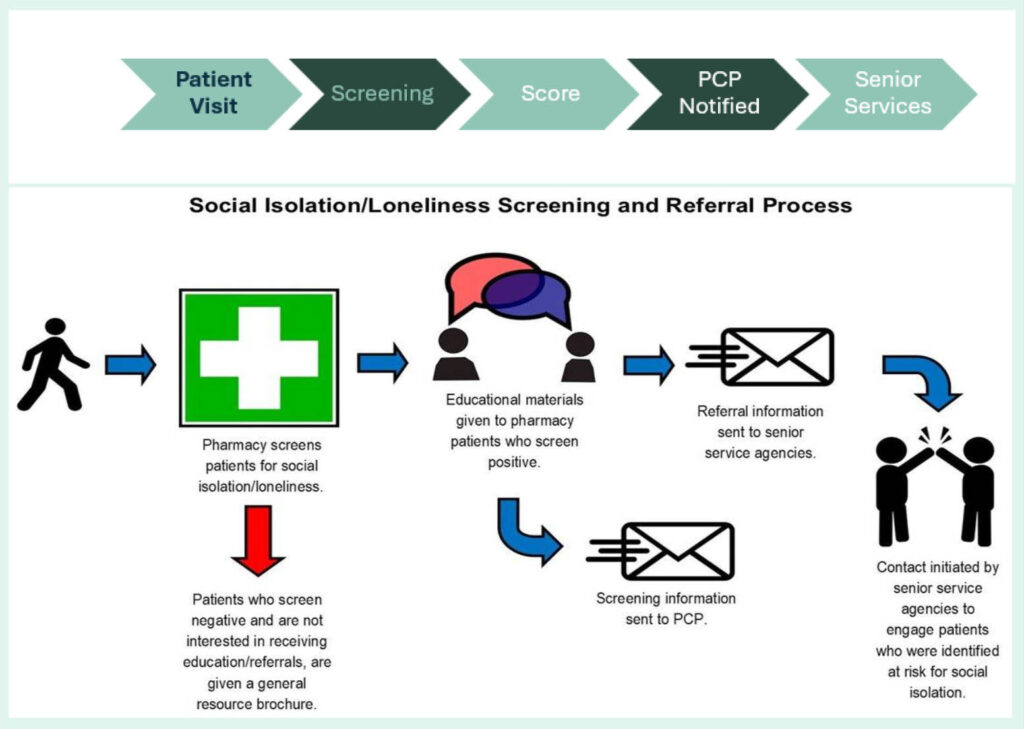
Trained pharmacists across four Michigan counties integrated SIL screening into daily workflow, completing hundreds of screenings. When walk-in opportunities declined, pharmacies expanded outreach to home-delivery patients — driving a 220% screening increase and demonstrating how small workflow adjustments can dramatically expand access.
Evidence
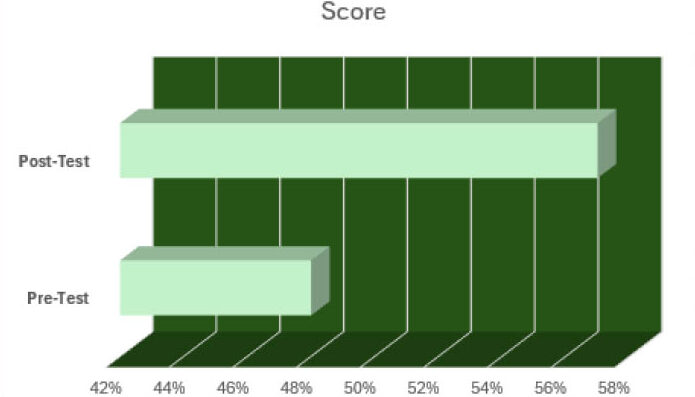
+10% knowledge gain
- 12-question pre/post test
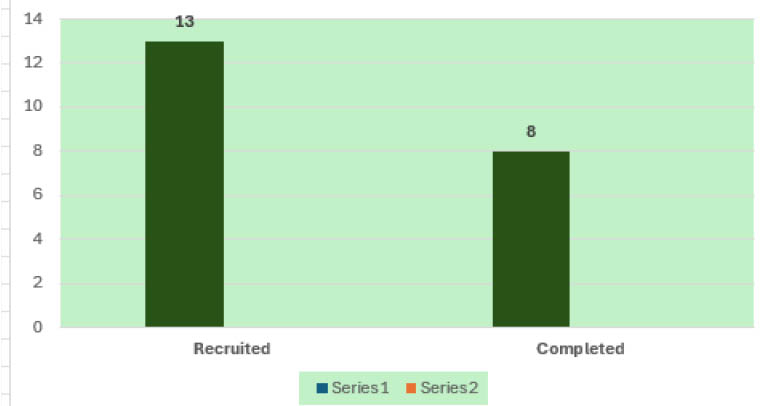
- 13 Pharmacies recruited, 8 completed
- Pre-test score: 48%
- Post-test score: 57%
- All participating pharmacists tested
- WHO SIL guide used as resource
Location
The impact became especially clear through the experiences of older adults who were referred to senior service agencies. One patient, who had been quietly withdrawing and losing weight, screened positive for both social isolation and loneliness. A warm referral to a local senior center helped her reconnect with others, improve her nutrition, and regain a sense of belonging. Stories like this illustrate how a brief conversation at the pharmacy counter can open the door to life-changing support.
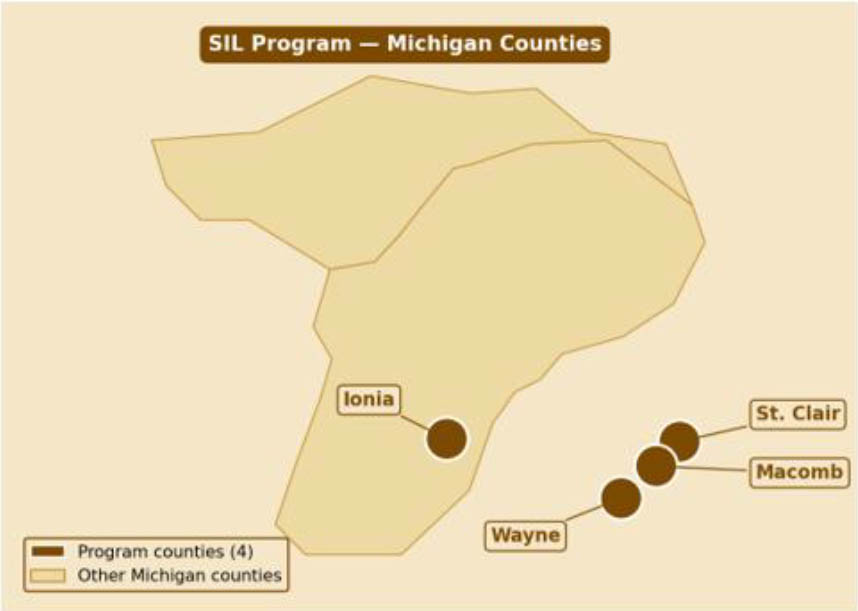
4 Michigan counties- Community pharmacy
- Ionia County
- Wayne County
- St. Clair County
- Macomb County
- All 4 counties represented throughout project
- Home delivery service channels
Accomplishments
+220% screening increase post brochure
- After 1,173 brochures distributed
- Pre-Brochure screenings – 107
- Post Brochure Screening 342
- 8 of 13 pharmacies completed program
- All completers exceeded screening targets
- Optional PCP notification pathway created
Senior service referral pipeline established
The project also strengthened community partnerships. Senior service agencies received referrals that allowed them to reach older adults who might never have sought help on their own. The statewide summit expanded awareness even further, bringing together healthcare providers, community organizations, and advocates who left with new knowledge, new connections, and a renewed commitment to addressing SIL in their work.
Together, these efforts show how empowering pharmacists and building cross-sector collaboration can uncover unmet needs, improve well-being, and create a more connected system of care for older adults.